



Overview & Learning Outcomes of m.des
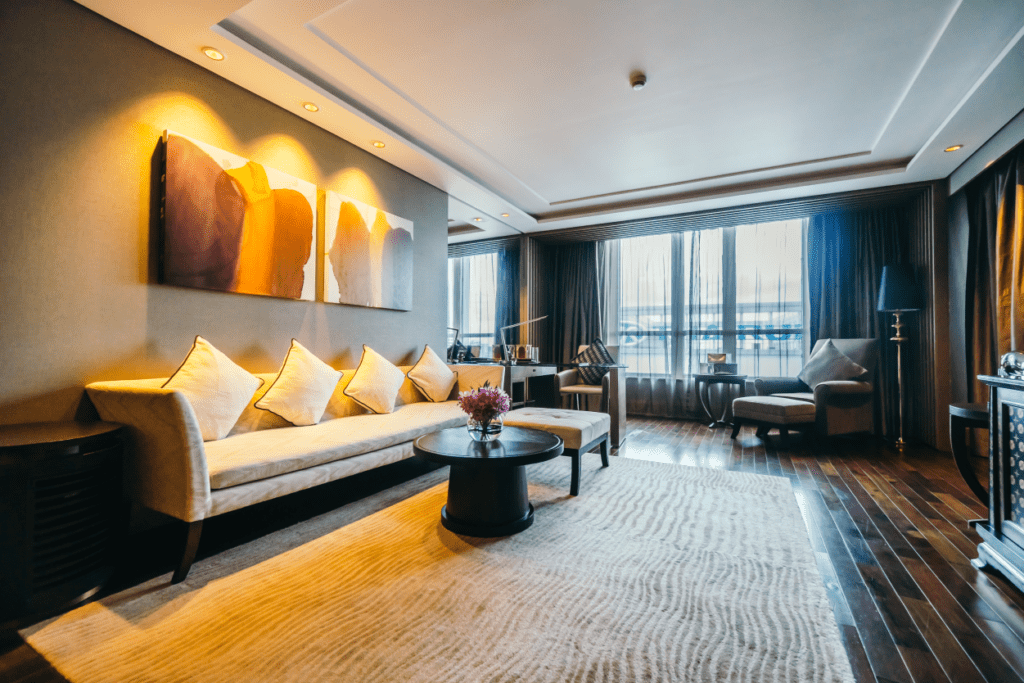
About m.des
A Master of Design (M.Des) degree is an advanced educational program focused on honing creative skills, fostering innovative thinking, and developing professional expertise in various design disciplines. This degree encompasses a wide range of specializations such as industrial design, graphic design, interior design, fashion design, and interaction design, among others. Students in M.Des programs engage in a combination of theoretical coursework, practical studio work, and research projects, allowing them to explore design principles, methodologies, and applications deeply. The benefits of earning an M.Des degree include enhanced career opportunities, as graduates are equipped with advanced skills that are highly valued in the design industry.

Fees

Duration
Semester 1
- Design Research Methods
- Advanced Interior Design Studio I: Adaptive Reuse
- Theory and Criticism of Interior Architecture
- Human Factors and Environmental Psychology
- Advanced Digital Tools: BIM and Parametric Design
Semester 2
- Advanced Interior Design Studio II: Luxury Hospitality
- Lighting, Acoustics and Environmental Control
- Sustainable and Biophilic Design
- Heritage and Vernacular Interiors of Rajasthan
- Design Management and Professional Practice
Semester 3
- Advanced Interior Design Studio III: Specialisation
- Elective (one of: Furniture and Product, Exhibition and Scenography, Healthcare and Wellness, Vaastu and Spatial Wellbeing)
- Pre-thesis Research
- Industry Internship (8 weeks)
- Seminar
Semester 4
- Thesis Project
- Dissertation
- Dissertation
Learning Outcomes
- Gain comprehensive knowledge and skills: Know your chosen field
- In-Depth understanding of industry: Know the market demands & consumer
- Knowledge of design software and techniques: Field essential
- Cultivate creativity, innovation, and problem-solving abilities
- Effective communication and presentation skills: Articulate Design Concepts
- Technical Skills: Create & Design
- Acquire hands-on experience through internships, industry projects, and practical workshops.
- Develop a professional portfolio showcasing design projects, techniques and achievements.
- Build a strong network of industry contacts through mentorship
- Programs and industry collaborations.
- Creative Development: Understanding of color theory & trends
- Business Acumen: Market knowledge & business management